


Welcome to Premier Unbelievable?
Premier Unbelievable? brings Christians, sceptics and thinkers together for honest conversations on faith, science, ethics and culture. Through open dialogue and thoughtful discussion, we explore life’s biggest questions and encourage deeper understanding between different perspectives. Join the conversation. Ask the questions. Explore the faith.
Welcome to Premier Unbelievable?
- Previous
- Next
Our Latest Shows

The Scientist Who Found God in the Amazon | Sir Ghillean Prance
Has Christianity Misunderstood Hell? Dan Paterson on Eternal Punishment, Suffering and God’s Silence
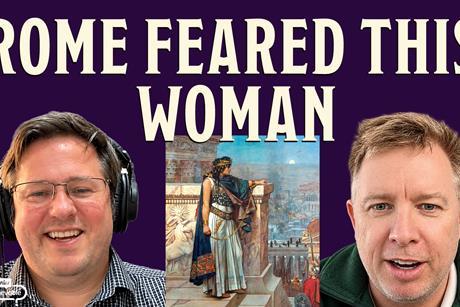
The Forgotten Queen Who Dared to Challenge the Roman Empire
Prepare for war?
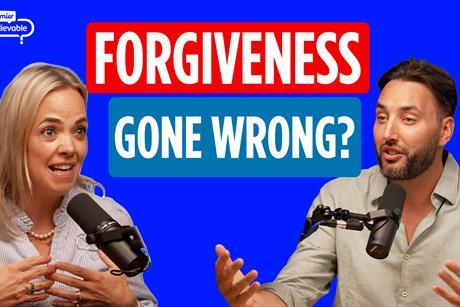
Can forgiveness become dangerous? And does Christianity sometimes get it wrong?
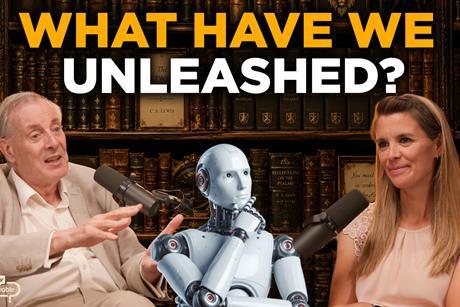
Alister McGrath: Has technology outgrown our ability to control it?
- Previous
- Next
Our Latest Articles
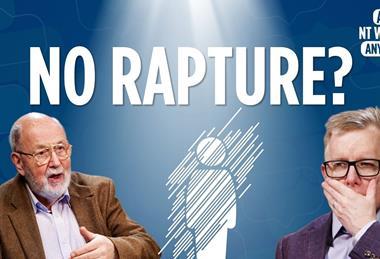
“You do not need a Rapture”: Tom Wright on the return of Jesus
Should Christians expect to be taken away from the earth before the end times unfold? Tom Wright explains why he believes classic Rapture theology misreads the New Testament and why the real Christian hope is resurrection, renewal and the return of Jesus.

Can you be rational and a Christian? John Lennox and Peter Atkins clash over God, science and the Resurrection
When atheist Oxford chemist Peter Atkins told John Lennox that Christians cannot be rational, Lennox had a question for him: what about Christian Nobel Prize-winning scientists? Atkins’ response was brutally brief: “Grow up.”
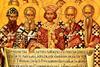
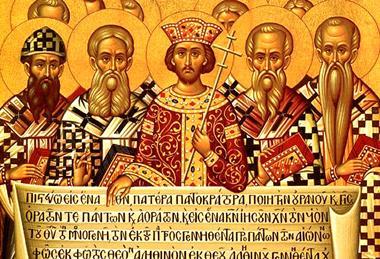
Should Christians question the creeds? N.T. Wright on who really has authority
For centuries, Christians have looked to the great ecumenical councils as landmarks of orthodox belief. Nicaea, Chalcedon and the creeds that emerged from them helped define how the Church speaks about God, Jesus Christ and the Trinity.
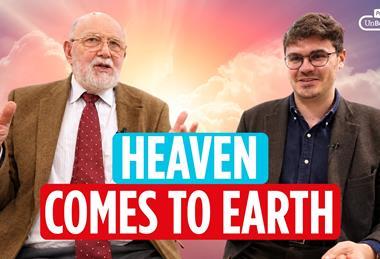
The Great Christian Hope: Why Heaven Isn’t the End of the Story
For centuries, Christians have imagined heaven as their final destination. But what if the Bible tells a far more extraordinary story? In a special Unbelievable? conversation recorded at Wycliffe Hall, Oxford, N.T. Wright explains why the ultimate Christian hope is not escaping this world, but God transforming it and coming to dwell with his people.

Is Christianity making a comeback? N.T. Wright on Britain’s ‘quiet revival’
Reports of a dramatic rise in British church attendance have been challenged, but N.T. Wright says something significant may still be happening. From the decline of New Atheism to unexpected newcomers walking into churches, he asks what genuine Christian revival actually looks like.
Unbelievable?
- Previous
- Next








Ask NT Wright Anything
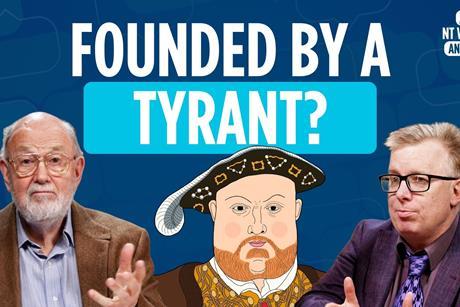
Can Christians serve in the military? Was the Church of England founded on a Scandal?
Can a Christian serve in the military, knowing they may one day be required to take another person’s life? And how should believers reconcile the call to peacemaking with the responsibility to protect the vulnerable?
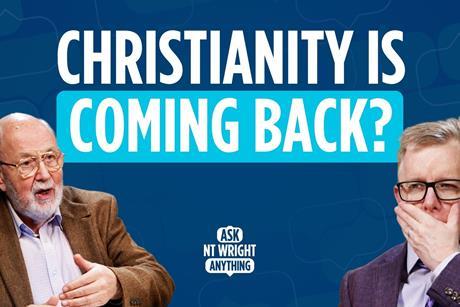
Is Christianity making a comeback? The “quiet revival”, Ananias & Sapphira and church unity
Is Christianity really experiencing a “quiet revival” in Britain? Tom Wright responds to reports of increased interest in church and asks what genuine spiritual revival should look like.
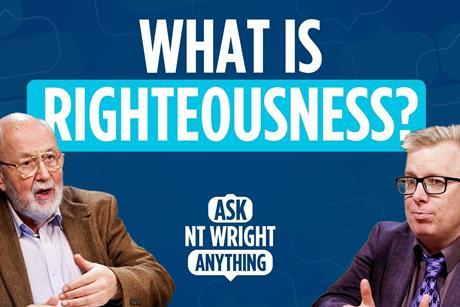
N.T. Wright on church councils, biblical righteousness and Jesus’ Ascension
N.T. Wright and Mike Bird tackle three big questions: Can Christians challenge historic church councils? What does “the righteousness of God” really mean? And what did Jesus’ Ascension actually involve? Tom Wright explains why creeds matter, unpacks biblical righteousness, and reimagines the significance of the Ascension as the joining of heaven and earth.
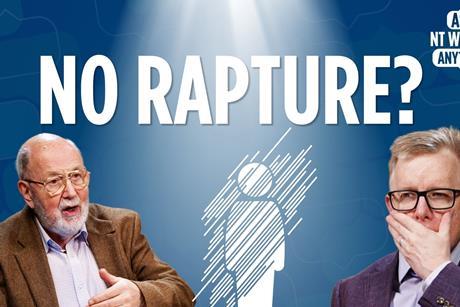
Is the Rapture really biblical? Apostles, prophets and sacraments
Is the Rapture really biblical? And if friends or family strongly believe in it, should you try to change their minds?
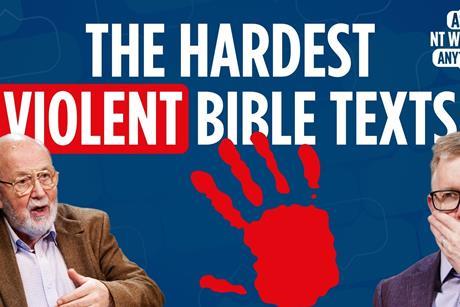
Why would God tell Israel to kill its enemies? The Book of Acts and the missing end of Mark’s Gospel
How should Christians handle the Bible’s most difficult passages? Tom Wright and Mike Bird tackle why Mark’s Gospel ends so abruptly, what the Book of Acts is really about, and how to make sense of God’s commands for violence in the Old Testament. They explore how these tough texts fit into the bigger story that finds its fulfilment in Jesus.

Should I feel guilty for not going into ministry? Baptism, calling and Adam & Eve
Should you feel guilty for not going into ministry? Tom Wright and Mike Bird explore why Jesus says we must be “born of water and Spirit,” whether pursuing a non-ministry career can still be a faithful calling, and why Paul points to Adam - not Eve - in the story of sin’s entrance.
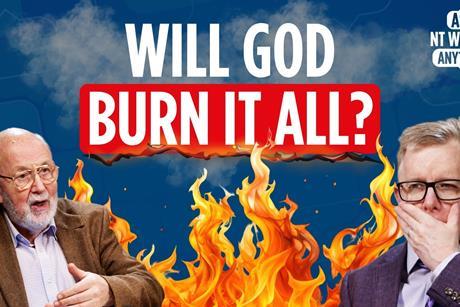
Will God Burn up the Earth? Which Anglican Church is right for me, and does Genesis 1 leave room for the “gap theory”?
Will God destroy the earth or renew it? Tom Wright and Mike Bird dig into the meaning of 2 Peter 3, the “gap theory” in Genesis, and how to choose the right Anglican church. Explore biblical creation, judgement, and finding your place in the Christian community.

Are people basically ‘good’ or ‘evil’? Who was the ‘beloved’ disciple? And is the Sermon on the Mount legalism?
Are people basically good or evil? Tom Wright and Mike Bird tackle big questions about human nature, the identity of the “beloved disciple,” and whether the Sermon on the Mount is legalistic - or something far more radical. Discover the Bible’s vision for what it means to be truly human.

What if I desire other things more than God? Can I work in war and weaponry? Where did Pilate judge Jesus?
Tom Wright and Mike Bird tackle personal and practical questions about faith and life: What if you desire other things more than God? Can Christians work in war-related industries? And where did Pilate judge Jesus? They explore spiritual anxiety, conscience in the workplace, and the historical setting of the Gospels.
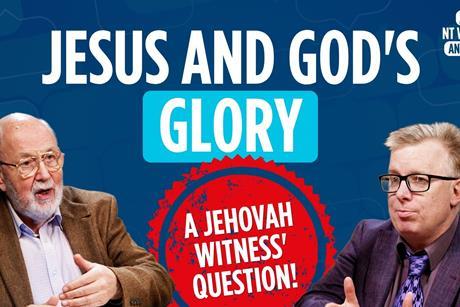
Jesus as the glory of God, Do we need to rethink the Trinity, being a force for theological sanity in your Church
Tom Wright and Mike Bird discuss how Jesus reveals God’s glory, whether the Trinity needs rethinking, and how to stay faithful when you disagree with your church’s theology. They offer practical wisdom for navigating doctrinal differences while keeping unity and humility.
Can Christians serve in the military? Was the Church of England founded on a Scandal?
Is Christianity making a comeback? The “quiet revival”, Ananias & Sapphira and church unity
N.T. Wright on church councils, biblical righteousness and Jesus’ Ascension
Is the Rapture really biblical? Apostles, prophets and sacraments
Why would God tell Israel to kill its enemies? The Book of Acts and the missing end of Mark’s Gospel
Should I feel guilty for not going into ministry? Baptism, calling and Adam & Eve
Will God Burn up the Earth? Which Anglican Church is right for me, and does Genesis 1 leave room for the “gap theory”?
Are people basically ‘good’ or ‘evil’? Who was the ‘beloved’ disciple? And is the Sermon on the Mount legalism?
What if I desire other things more than God? Can I work in war and weaponry? Where did Pilate judge Jesus?
Jesus as the glory of God, Do we need to rethink the Trinity, being a force for theological sanity in your Church
Unbelievable? the Interview





Matters of Life & Death








Prepare for war?
The death penalty
Near death experiences
How do you solve a problem like social care?
Will AI kill us all?
The Ebola emergency
Intergenerational sin, reparations and truth-telling: The church and the legacy of slavery, with Richard Reddie
Ethical populism: Should elites block questionable policy developments which nevertheless have strong public support?
On whose secret service? The alarming rise of AI agents
Why should Christians care about the crisis in universities?
The CS Lewis Postcast
Culture
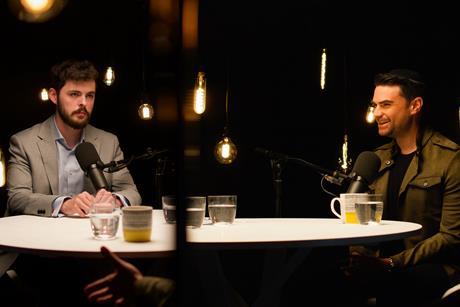
Can society survive without God? Ben Shapiro and Alex O’Connor clash over atheism, morality and the Bible
If Christianity disappeared tomorrow, would Western society lose something it cannot replace? Or is religion itself one of the greatest obstacles to moral progress?
‘We’ve been fed something that didn’t nourish us’: Dr Johannes Hartl on the failure of secularism
‘Childfree’ not ‘childless’: The changing culture around choosing not to have children
Did C. S. Lewis get Jesus and the Bible wrong? Jahdiel Perez and Leslie Baynes
Should we be scared? How AI is changing morality, meaning and human identity! With Theologian Dr Brian R Brock and AI Expert Prof Nigel Crook
Autism: Disability or superpower?
Ethics

Ethical populism: Should elites block questionable policy developments which nevertheless have strong public support?
Should elites block new technologies that have strong public support but raise major ethical concerns? This episode explores the debate over “liberal eugenics” and whether society should allow genetic screening for non-medical traits in children. Plus, a look at Meta’s £18bn lawsuit and the growing restrictions on social media giants to protect young people.
Does evolution point to God? Simon Conway Morris and Sam McKee on science, faith and the mystery of life
On whose secret service? The alarming rise of AI agents
What if I desire other things more than God? Can I work in war and weaponry? Where did Pilate judge Jesus?
Why should Christians care about the crisis in universities?
‘Childfree’ not ‘childless’: The changing culture around choosing not to have children
Blockbuster Shows

Is religion good or bad for society? | Ben Shapiro v Alex O’Connor
The Robot Race: How should humanity flourish in an AI world? (Part 2) | Nigel Crook & Anil Seth
The Robot Race: Could AI ever replace humanity? (Part 1) | Nigel Crook & Anil Seth
Do consciousness and near-death experiences point to an afterlife? | Sharon Dirckx vs Emily Qureshi-Hurst
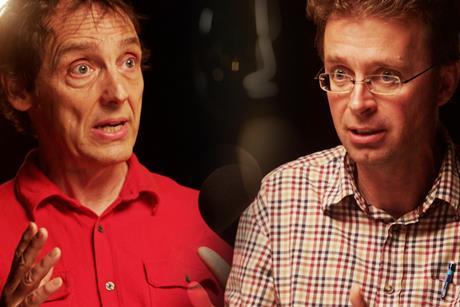
Can Science and Religion Tell us What it Means to be Human? | Philip Ball & Nick Spencer
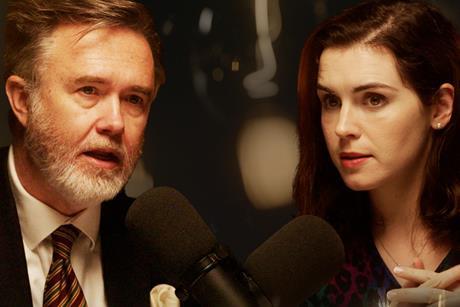
Christianity, the Sexual Revolution and the future of the West | Rod Dreher & Louise Perry
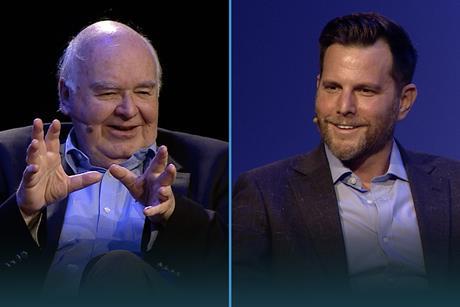
Is God Dead? | Prof John Lennox & Dave Rubin
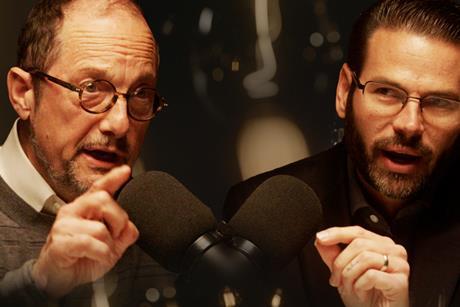
Did Jesus of Nazareth rise from the dead? | Bart Ehrman & Justin Bass
Are Millennials and Gen Z ready to believe in God? | Mikhaila Peterson & Jon McCray (Whaddo You Meme)
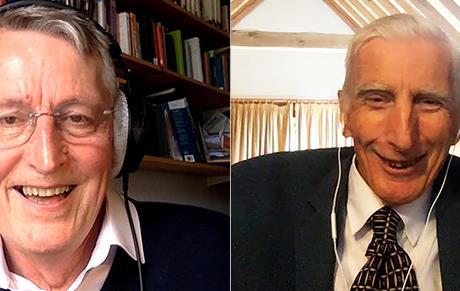
Robots, Transhumanism, and Life Beyond Earth | Lord Martin Rees & John Wyatt
Read our lastest articles
- Previous
- Next







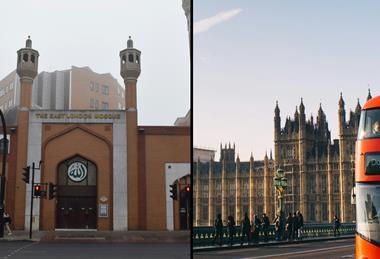

Why I Believe
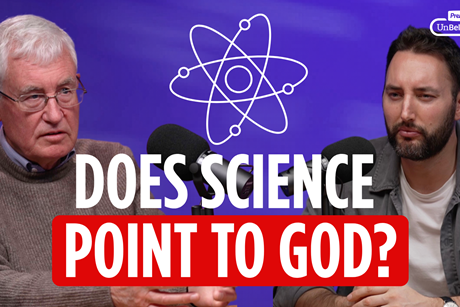
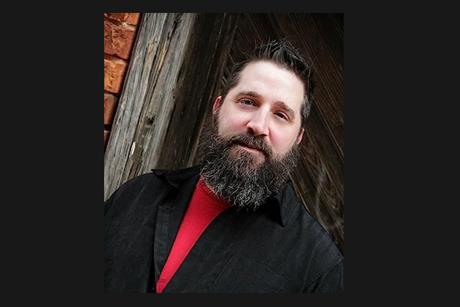






When I consider the heavens - A doctors reasoning for God | Dr Antony Latham
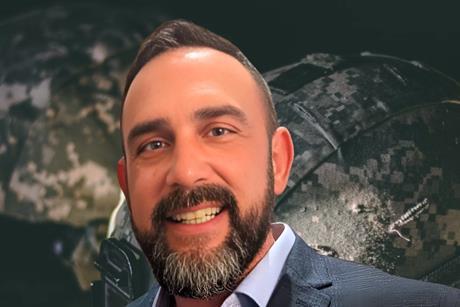
A military man finds God: the story of Jon Wilke
Is atheism rational? How a physicalist atheist discovered Christianity
Hope in despair: How a militant atheist encountered God
Making sense of reality: How an atheist philosopher discovered Jesus via paganism
A brief encounter: How a successful professional on Capitol Hill moved from secular humanism to Christianity
Discovering purpose: An engineer's evolution from atheism to a life filled with meaning
Transformed: How a despised Indian child became an evangelist
From radical atheist to Christian via rigorous intellectual study
Free at last: How an atheist addict was healed from addiction and suicidal thoughts
- Previous
- Next
Latest on Sexuality and gender
- Previous
- Next







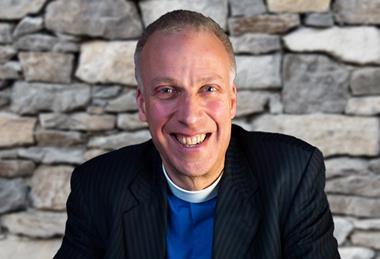




Unapologetic

#121 How viruses challenge our perception of good and evil with Christian Virologist Dr Mirjam Schilling
#120 James Emery White: Is online church the way forward?
#119 James Emery White: Should we prioritise young people?
Unapologetic #118 James Emery White: Is Christ irrelevant in a post-Christian culture?
Unapologetic #117 Nicola Morrison: How to find hope in despair
Unapologetic #116 Nicola Morrison: A trip to church saved my life
The Big Conversation
The Robot Race: How should humanity flourish in an AI world? (Part 2) | Nigel Crook & Anil Seth
The Robot Race: Could AI ever replace humanity? (Part 1) | Nigel Crook & Anil Seth
Do consciousness and near-death experiences point to an afterlife? | Sharon Dirckx vs Emily Qureshi-Hurst
Can Science and Religion Tell us What it Means to be Human? | Philip Ball & Nick Spencer
Follow us on Social Media





Follow us on X
Listen on Premier.Plus
Like our Facebook page
Subscribe on YouTube
Follow us on Tiktok
Navigating the Old Testament
Why would God tell Israel to kill its enemies? The Book of Acts and the missing end of Mark’s Gospel
How should Christians handle the Bible’s most difficult passages? Tom Wright and Mike Bird tackle why Mark’s Gospel ends so abruptly, what the Book of Acts is really about, and how to make sense of God’s commands for violence in the Old Testament. They explore how these tough texts fit into the bigger story that finds its fulfilment in Jesus.

Does evolution point to God? Simon Conway Morris and Sam McKee on science, faith and the mystery of life
Does evolution point to God - or away from Him? Cambridge paleobiologist Simon Conway Morris and scientist Sam McKee join John Nelson to discuss evolutionary convergence, faith, human uniqueness, Genesis, and whether science can deepen our sense of wonder and belief.
Was the Cross not enough? Rethinking the atonement with two Bible scholars | David Moffitt and Jonathan Rowlands
Did Jesus’ atoning work finish on the cross - or is there more to the story? Bible scholars David Moffitt and Jonathan Rowlands join John Nelson to rethink atonement, exploring what the cross, resurrection, and ascension really mean for Christian faith, salvation, and everyday life.
Why was Jesus so cryptic? Is divorce ever OK? Does Isaiah 53 predict Jesus? And which theologian is hardest to understand?
Tom Wright and Mike Bird tackle why Jesus spoke in riddles, how Christians should approach divorce and remarriage, and what Isaiah 53 really reveals about Christ and prophecy. A thoughtful episode blending biblical insight and practical wisdom.
Discovering the New Testament
Why would God tell Israel to kill its enemies? The Book of Acts and the missing end of Mark’s Gospel
How should Christians handle the Bible’s most difficult passages? Tom Wright and Mike Bird tackle why Mark’s Gospel ends so abruptly, what the Book of Acts is really about, and how to make sense of God’s commands for violence in the Old Testament. They explore how these tough texts fit into the bigger story that finds its fulfilment in Jesus.

Unbelievable Special: Have Christians got heaven wrong? N.T. Wright on what the Bible really promises
Is Christianity really about going to heaven after you die? In this Unbelievable Special, N.T. Wright joins Dr John Nelson at Wycliffe Hall to challenge the common view, arguing that the true Christian hope is God’s homecoming to renew creation. Wright explores Jesus’ teaching, resurrection, the kingdom of God, and why the story is bigger than escaping earth for heaven.

Are people basically ‘good’ or ‘evil’? Who was the ‘beloved’ disciple? And is the Sermon on the Mount legalism?
Are people basically good or evil? Tom Wright and Mike Bird tackle big questions about human nature, the identity of the “beloved disciple,” and whether the Sermon on the Mount is legalistic - or something far more radical. Discover the Bible’s vision for what it means to be truly human.

What if I desire other things more than God? Can I work in war and weaponry? Where did Pilate judge Jesus?
Tom Wright and Mike Bird tackle personal and practical questions about faith and life: What if you desire other things more than God? Can Christians work in war-related industries? And where did Pilate judge Jesus? They explore spiritual anxiety, conscience in the workplace, and the historical setting of the Gospels.
Unbelievable?
Unbelievable?
Has Christianity Misunderstood Hell? Dan Paterson on Eternal Punishment, Suffering and God’s Silence
Christian thinker and Questioning Christianity host Dan Paterson joins John Nelson for a searching conversation about three of Christianity’s most difficult questions: hell, divine hiddenness and the problem of evil.
Read story
Who Will Be Saved? Can You Go to Heaven Without Believing in Jesus?
What happens to those who die without faith in Jesus? And could God’s mercy reach beyond death?

Did Matthew and Luke make up the Christmas story? Caleb Friedeman on the historical evidence
Were the virgin birth, the Magi, Luke’s census and Herod’s massacre of the innocents intended as history, or theological legend? Biblical scholar Caleb Friedeman joins Dr. John Nelson in this special edition of Unbelievable shot in the USA to argue that the Gospel birth narratives deserve to be taken far more seriously as historical sources.

Is Christian apologetics making us worse? Mary Jo Sharp
Has Christian apologetics become more about winning arguments than seeking truth? Mary Jo Sharp joins John Nelson to explore the dangers of pride, confirmation bias, and treating people as opponents - and asks if apologetics should shape our character, not just our beliefs.
Ask NT Wright Anything
Can Christians serve in the military? Was the Church of England founded on a Scandal?
Can a Christian serve in the military, knowing they may one day be required to take another person’s life? And how should believers reconcile the call to peacemaking with the responsibility to protect the vulnerable?
Is Christianity making a comeback? The “quiet revival”, Ananias & Sapphira and church unity
Is Christianity really experiencing a “quiet revival” in Britain? Tom Wright responds to reports of increased interest in church and asks what genuine spiritual revival should look like.
N.T. Wright on church councils, biblical righteousness and Jesus’ Ascension
N.T. Wright and Mike Bird tackle three big questions: Can Christians challenge historic church councils? What does “the righteousness of God” really mean? And what did Jesus’ Ascension actually involve? Tom Wright explains why creeds matter, unpacks biblical righteousness, and reimagines the significance of the Ascension as the joining of heaven and earth.
Is the Rapture really biblical? Apostles, prophets and sacraments
Is the Rapture really biblical? And if friends or family strongly believe in it, should you try to change their minds?
Why would God tell Israel to kill its enemies? The Book of Acts and the missing end of Mark’s Gospel
How should Christians handle the Bible’s most difficult passages? Tom Wright and Mike Bird tackle why Mark’s Gospel ends so abruptly, what the Book of Acts is really about, and how to make sense of God’s commands for violence in the Old Testament. They explore how these tough texts fit into the bigger story that finds its fulfilment in Jesus.
Should I feel guilty for not going into ministry? Baptism, calling and Adam & Eve
Should you feel guilty for not going into ministry? Tom Wright and Mike Bird explore why Jesus says we must be “born of water and Spirit,” whether pursuing a non-ministry career can still be a faithful calling, and why Paul points to Adam - not Eve - in the story of sin’s entrance.
Will God Burn up the Earth? Which Anglican Church is right for me, and does Genesis 1 leave room for the “gap theory”?
Will God destroy the earth or renew it? Tom Wright and Mike Bird dig into the meaning of 2 Peter 3, the “gap theory” in Genesis, and how to choose the right Anglican church. Explore biblical creation, judgement, and finding your place in the Christian community.
Are people basically ‘good’ or ‘evil’? Who was the ‘beloved’ disciple? And is the Sermon on the Mount legalism?
Are people basically good or evil? Tom Wright and Mike Bird tackle big questions about human nature, the identity of the “beloved disciple,” and whether the Sermon on the Mount is legalistic - or something far more radical. Discover the Bible’s vision for what it means to be truly human.
What if I desire other things more than God? Can I work in war and weaponry? Where did Pilate judge Jesus?
Tom Wright and Mike Bird tackle personal and practical questions about faith and life: What if you desire other things more than God? Can Christians work in war-related industries? And where did Pilate judge Jesus? They explore spiritual anxiety, conscience in the workplace, and the historical setting of the Gospels.
Jesus as the glory of God, Do we need to rethink the Trinity, being a force for theological sanity in your Church
Tom Wright and Mike Bird discuss how Jesus reveals God’s glory, whether the Trinity needs rethinking, and how to stay faithful when you disagree with your church’s theology. They offer practical wisdom for navigating doctrinal differences while keeping unity and humility.
Can Christians serve in the military? Was the Church of England founded on a Scandal?
Is Christianity making a comeback? The “quiet revival”, Ananias & Sapphira and church unity
N.T. Wright on church councils, biblical righteousness and Jesus’ Ascension
Is the Rapture really biblical? Apostles, prophets and sacraments
Why would God tell Israel to kill its enemies? The Book of Acts and the missing end of Mark’s Gospel
Should I feel guilty for not going into ministry? Baptism, calling and Adam & Eve
Will God Burn up the Earth? Which Anglican Church is right for me, and does Genesis 1 leave room for the “gap theory”?
Are people basically ‘good’ or ‘evil’? Who was the ‘beloved’ disciple? And is the Sermon on the Mount legalism?
What if I desire other things more than God? Can I work in war and weaponry? Where did Pilate judge Jesus?
Jesus as the glory of God, Do we need to rethink the Trinity, being a force for theological sanity in your Church
Unbelievable? The Interview


Matters of Life & Death
Prepare for war?
The death penalty
Near death experiences
How do you solve a problem like social care?
Will AI kill us all?
The Ebola emergency
Intergenerational sin, reparations and truth-telling: The church and the legacy of slavery, with Richard Reddie
Ethical populism: Should elites block questionable policy developments which nevertheless have strong public support?
On whose secret service? The alarming rise of AI agents
Why should Christians care about the crisis in universities?
- Previous
- Next
More Blockbuster Shows
Is religion good or bad for society? | Ben Shapiro v Alex O’Connor
The Robot Race: How should humanity flourish in an AI world? (Part 2) | Nigel Crook & Anil Seth
The Robot Race: Could AI ever replace humanity? (Part 1) | Nigel Crook & Anil Seth
Do consciousness and near-death experiences point to an afterlife? | Sharon Dirckx vs Emily Qureshi-Hurst
Can Science and Religion Tell us What it Means to be Human? | Philip Ball & Nick Spencer
Christianity, the Sexual Revolution and the future of the West | Rod Dreher & Louise Perry
Is God Dead? | Prof John Lennox & Dave Rubin
Did Jesus of Nazareth rise from the dead? | Bart Ehrman & Justin Bass
Are Millennials and Gen Z ready to believe in God? | Mikhaila Peterson & Jon McCray (Whaddo You Meme)
Robots, Transhumanism, and Life Beyond Earth | Lord Martin Rees & John Wyatt
- Topics A-Z
- Writers A-Z
- © 2025 Premier Christian Communications Ltd




Site powered by Webvision Cloud